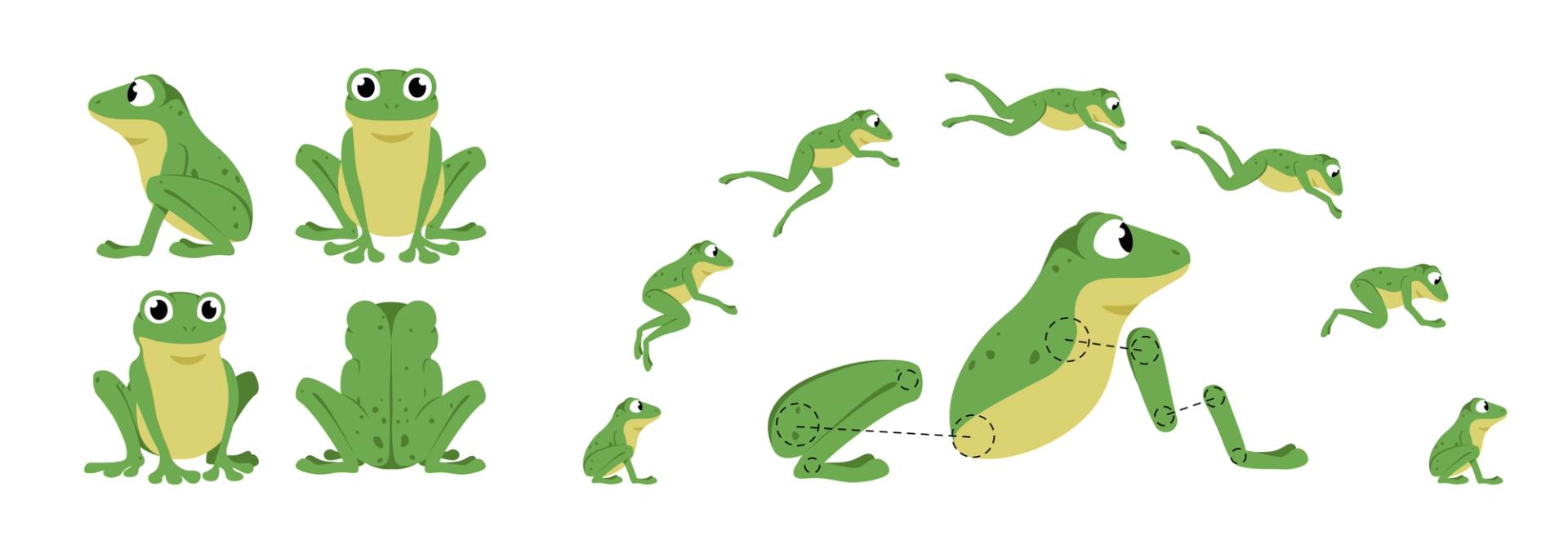
The little cutie above is the relict leopard frog — a modest local conservation success story. Naturally occurring around the Colorado and Virgin rivers, the frog was down to just “seven sites in three general areas,” according to the National Park Service. By 2001, two of those populations had gone extinct.
State and local conservation experts banded together to keep the relict leopard frog off of the Endangered Species List. Fast forward to now, when the rare frog has found a home at Springs Preserve, if somewhat tenuously (even in this serene setting, a small amphibian remains part of the food chain).
And, as so often happens, this success story unfolds amid a story of loss. Scientists crafted a new habitat for the relict leopard frog in the Cottonwood Grove portion of Springs Preserve — the springs once being the site of the now-extinct Vegas Valley leopard frog. In this video about the project, a biologist calls it “rewilding” — filling an empty ecological niche with a species closely resembling the one that used to be there. Some of the frog’s eggs were grown at UNLV, with the tadpoles placed into the pond after hatching.
You can try to see the frogs yourself by taking the trail to Cottonwood Grove — but they’re more active at night, blend into their habitat, and don’t call attention to themselves. The females make very little noise, and the male emits a sound one scientist compared to “a low chuckle.”