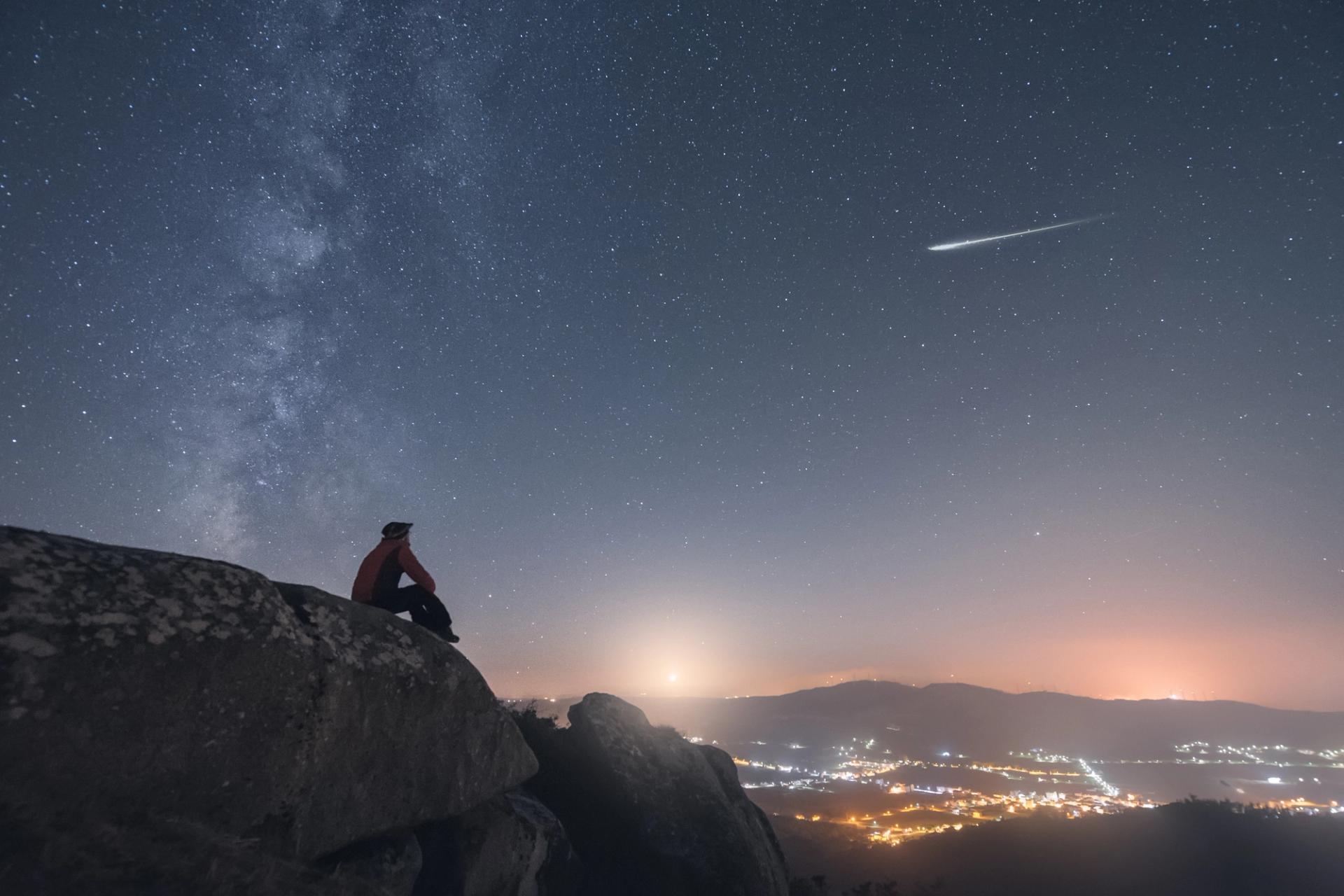
The Perseid meteor shower is back to give the Earth a spectacular show of shooting stars. Here’s the lowdown on how and where to view the astronomical experience in and around Las Vegas.
☝️ First, Get the Name Right
It’s pronounced “PER-see-id,” named after the Perseus constellation, where the meteors appear to come from. And it’s totally cool to call the meteors Perseids.
🤔 What’s the Difference Between an Asteroid and a Meteor?
Asteroids are much bigger — compared to minor planets at times — and usually travel in a belt between Mars and Jupiter that the Earth never crosses. Meteors are comet debris that have their own orbit — and the Earth crosses those orbits once a year.
🧐 They’re Smaller Than You Think
Meteors are tiny particles of rocks and ice. They’re typically between the size of a pea or a marble, but create a bright light or “shooting star” when they hit the atmosphere and burn up.
☄️ What’s So Special About the Perseids?
“The Perseids are noteworthy because they’re bright, fast, and frequent,” says Mig Ponce of the Las Vegas Astronomical Society. “About one a minute is the average. It can be more.” The Perseid meteors are from the Comet Swift-Tuttle. (Please resist the urge to call them “Swifties.”)
🗓️ When do the Perseids Appear?
The Perseids return consistently between mid-July and late-August. This year, the peak is expected overnight August 12-13 when the Earth passes through the center of the debris trail. Viewing continues through September 1.
✨ How to View the Perseids
Face the northeast and look for the radiant (point of origin) at Perseus. It helps to use a sky viewing app like Stellarium that identifies constellations. You don’t need telescopes or any other special equipment. It’s better to use the naked eye to watch the show unfold.
⏳ Timing is Everything
The best viewing is between 10:30 p.m. and 4:30 a.m. The meteors will pick up in frequency after midnight when the Earth turns on its axis, allowing us to face the debris field more directly. “When you're driving your car, you get more bugs splattered on your front windshield than your back windshield — same kind of idea,” Ponce says.
👀 Viewing Locations?
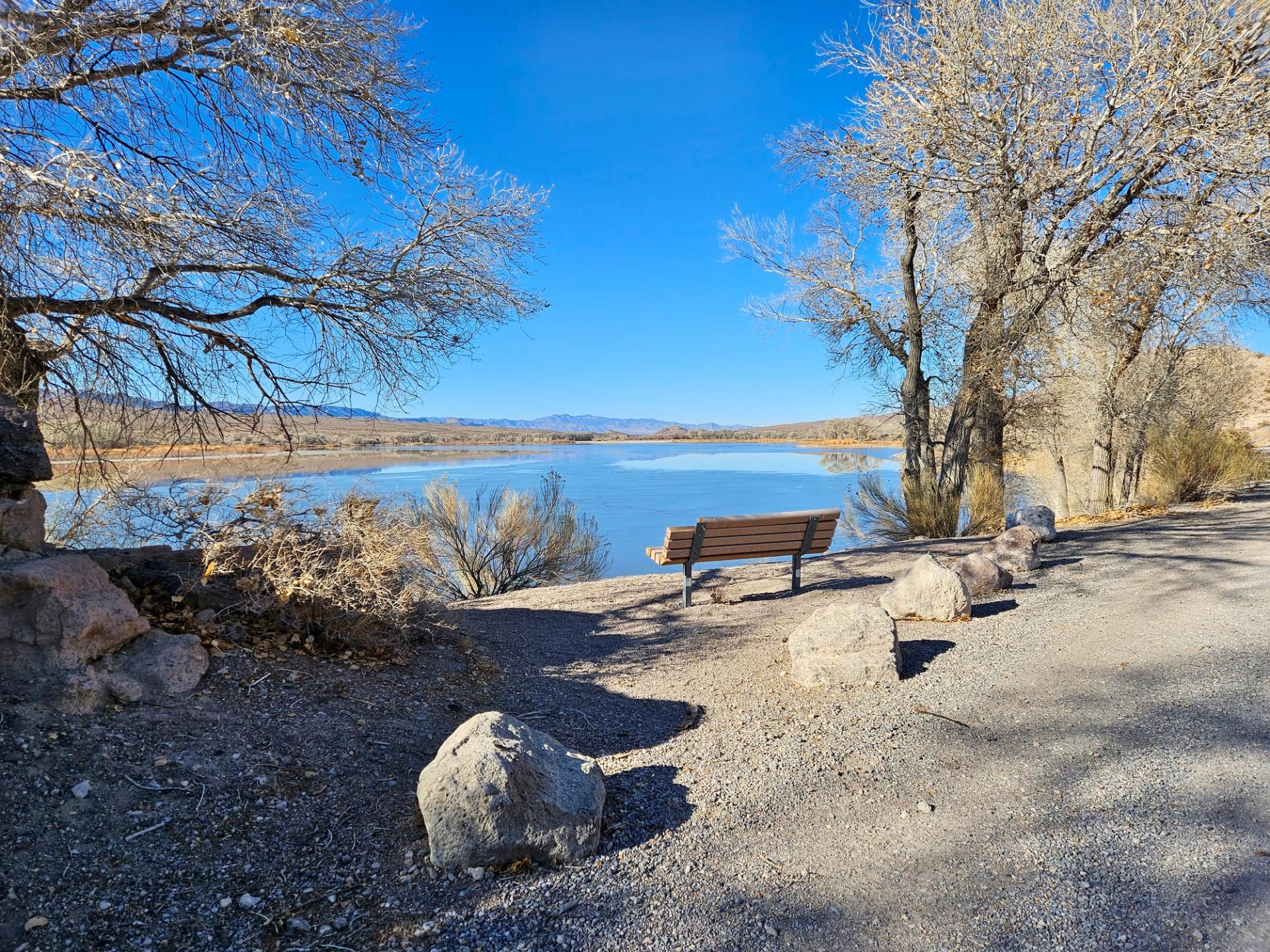
The farther you can drive away from the concentrated light pollution of Las Vegas, the better, whether it’s heading north toward Mt. Charleston and the Amargosa Valley or south toward Boulder City and Searchlight. “You don't need to go to a special location,” according to Ponce. “You can just pull off the road as long as it's safe to do so.” Even if you stay home, you’ll still be able to see shooting stars from your own backyard. They’ll just be less frequent.
- City Cast Las Vegas has more on the science and history surrounding the Perseid meteor shower, additional tips to enhance the viewing experience, and the beauty of dark skies in our community. [City Cast Las Vegas 🎧]