Rapidly changing fashion trends and increasing accessibility to low-cost retailers means consumers are cycling through clothing faster than ever. The average U.S. resident throws away 70 pounds of textiles per year, accounting for 21 billion pounds of textile waste, according to data from the EPA. So what’s the best way to make the clothes you have last longer and shop consciously when looking for new attire?
At-Home Repairs
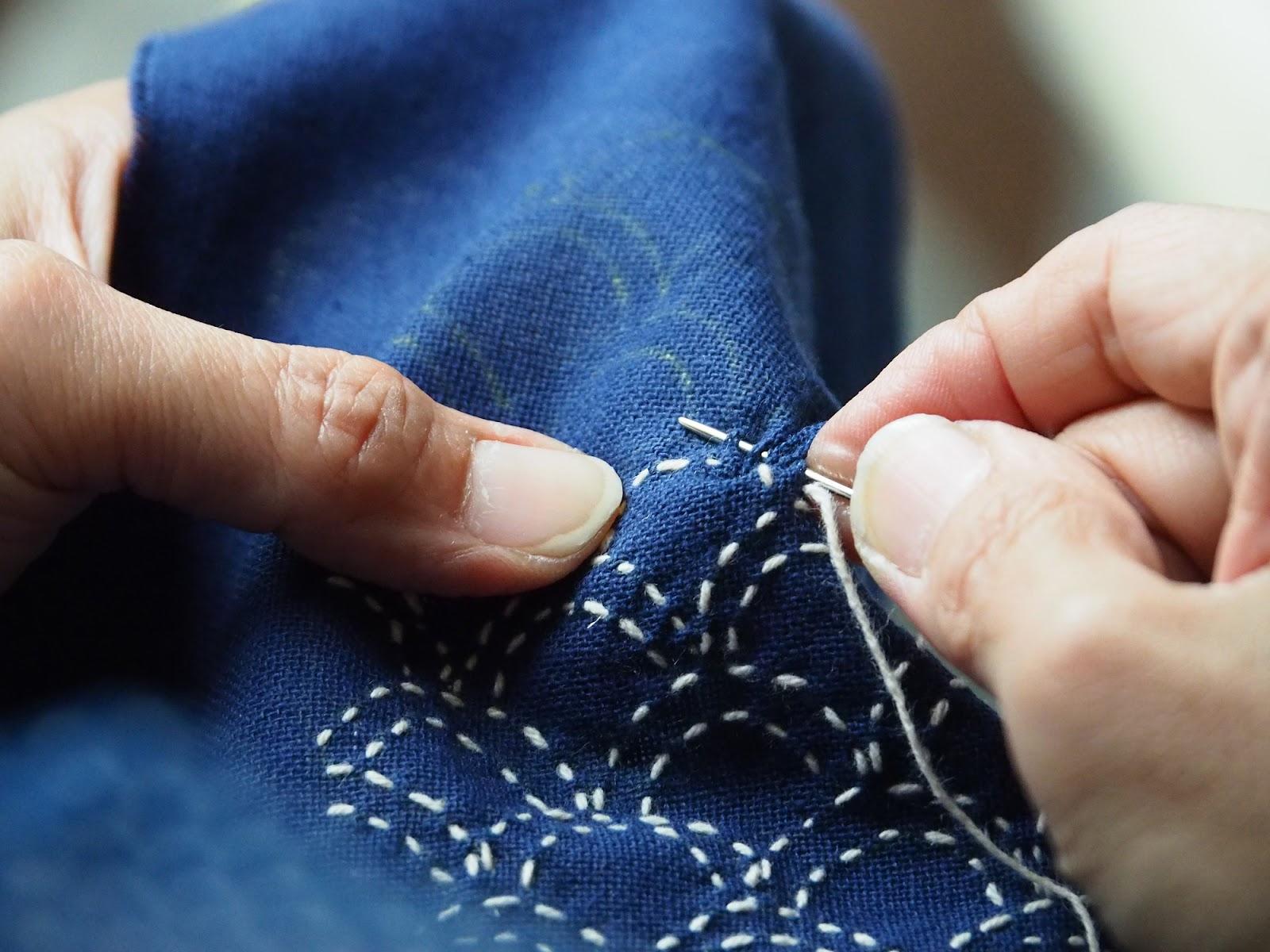
Repairing and altering clothes can be daunting, but this is where social media is your best friend. YouTube is full of step-by-step tutorials for everything from sewing a button to making alterations to items that don’t fit. Platforms like TikTok and Reddit are also good resources.
For hands-on learning, book a sewing class from the Trade & Fashion Academy and SEWabilities.
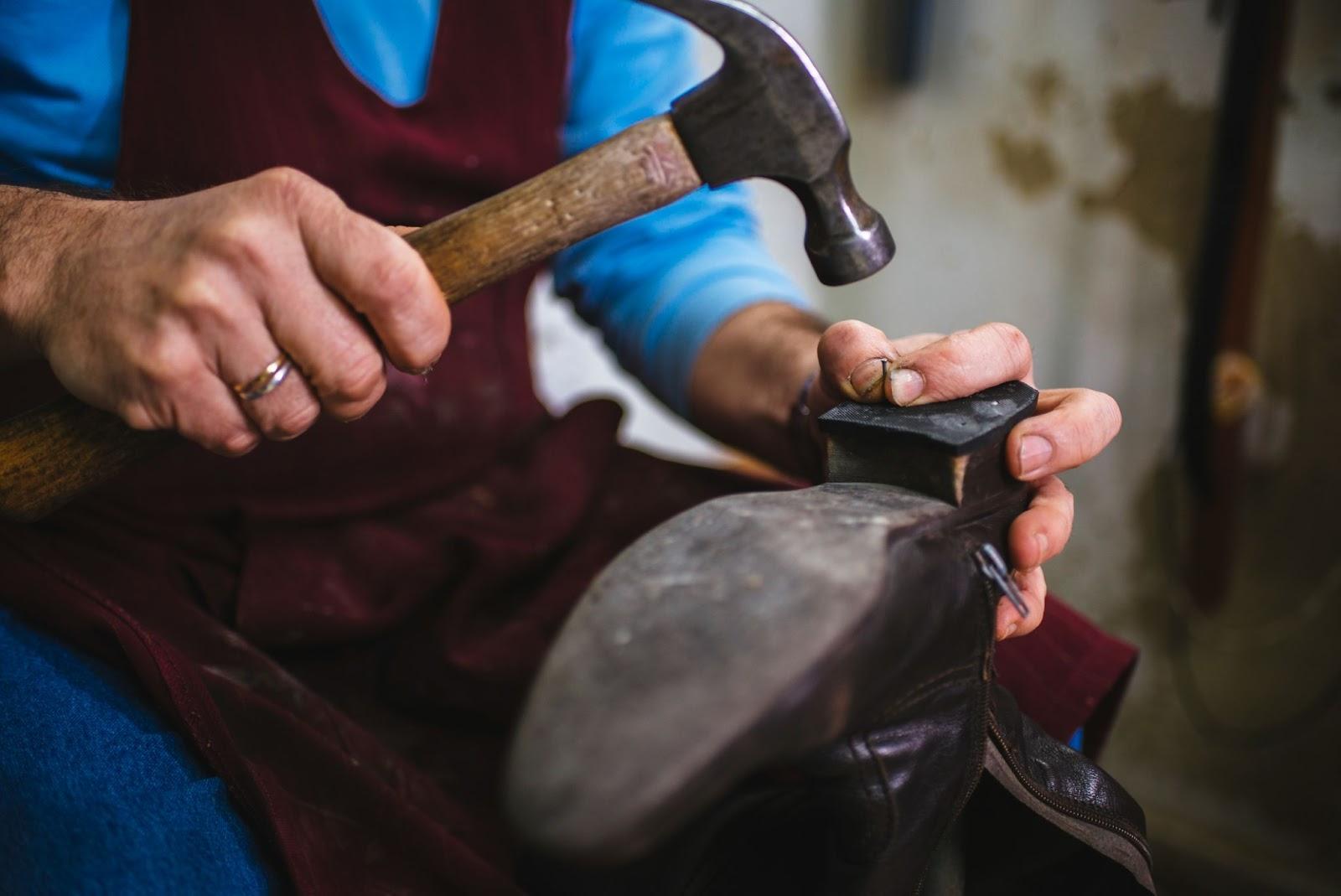
A cobbler hammers in a new boot heel. (Westend61 / Getty)
Leave it to the Professionals
As an entertainment hub, Las Vegas is home to many businesses dedicated to working on clothes. Jenny at Tiffany’s Couture Cleaners has decades of experience as a seamstress. Vegas Stitch has an impressive range of services — they once made a paper dress for a San Diego newspaper and even retrofitted celebratory skiing goggles for an NBA team. Local dry cleaners will also perform small repairs and alterations for reasonable prices.
As for footwear, a cobbler can do a resole, but they can also stretch, clean, and sometimes even reshape shoes. I have a pair of my grandfather’s old chelsea boots from the 80s that have been resoled five times and are still kicking. Here are a few Las Vegas options:
- Shoe Lab World — an all around good option.
- Revive Kicks — for the streetwear and sneaker aficionados.
- Desert Birkenstock — because sandals need love, too.
Stop Washing Your Clothes
Okay, not really. But the vast majority of us are using entirely too much detergent, which can leave residue that will break down fabrics and irritate skin. Conversely, dryers wreak havoc on clothing, so opt for hang-drying when possible.
What to Look For When Buying
Choosing quality garments can save you a lot of this work in the long run. Information varies vastly between brands, but here are the key things to look for:
- Fabric — manmade materials like polyester often deteriorate faster than natural ones like cotton.
- Country of origin — great clothes are made in every corner of the world, knowing where they're produced can tell you a lot when combined with other garment information.
- Construction — for footwear in particular, opt for something with a Goodyear welt, which makes it easier to replace soles once they wear out.
Some of these options will cost more up front, but here’s a formula to keep in mind: cost-per-wear. Meaning, calculate the value of an item by dividing the price by the amount of times you wear it. It’s not perfect, but it can help reshape how we think about the things we wear.