Not to out myself as a massive nerd, but one of my favorite literary quotes comes from Henno Martin’s “The Sheltering Desert.” Maybe it’s because I was born in the vastness of the Chihuahuan Desert, but I carry the excerpt in my heart: “The magic of the desert is hard to define.”
And with that magic comes difficult realities. According to the Nevada state website, there are eight potential hazards for which it is working to create preparedness guidelines. Among them are floods, wildfires, and drought. Planning for emergencies can feel daunting, but the key to being prepared is to take it one step at a time. Here are some essentials to get started.
Basic Emergency Supplies
The most simple items are often the most essential in an emergency, but that means it’s also the best place to start.
🩹 First Aid Kits
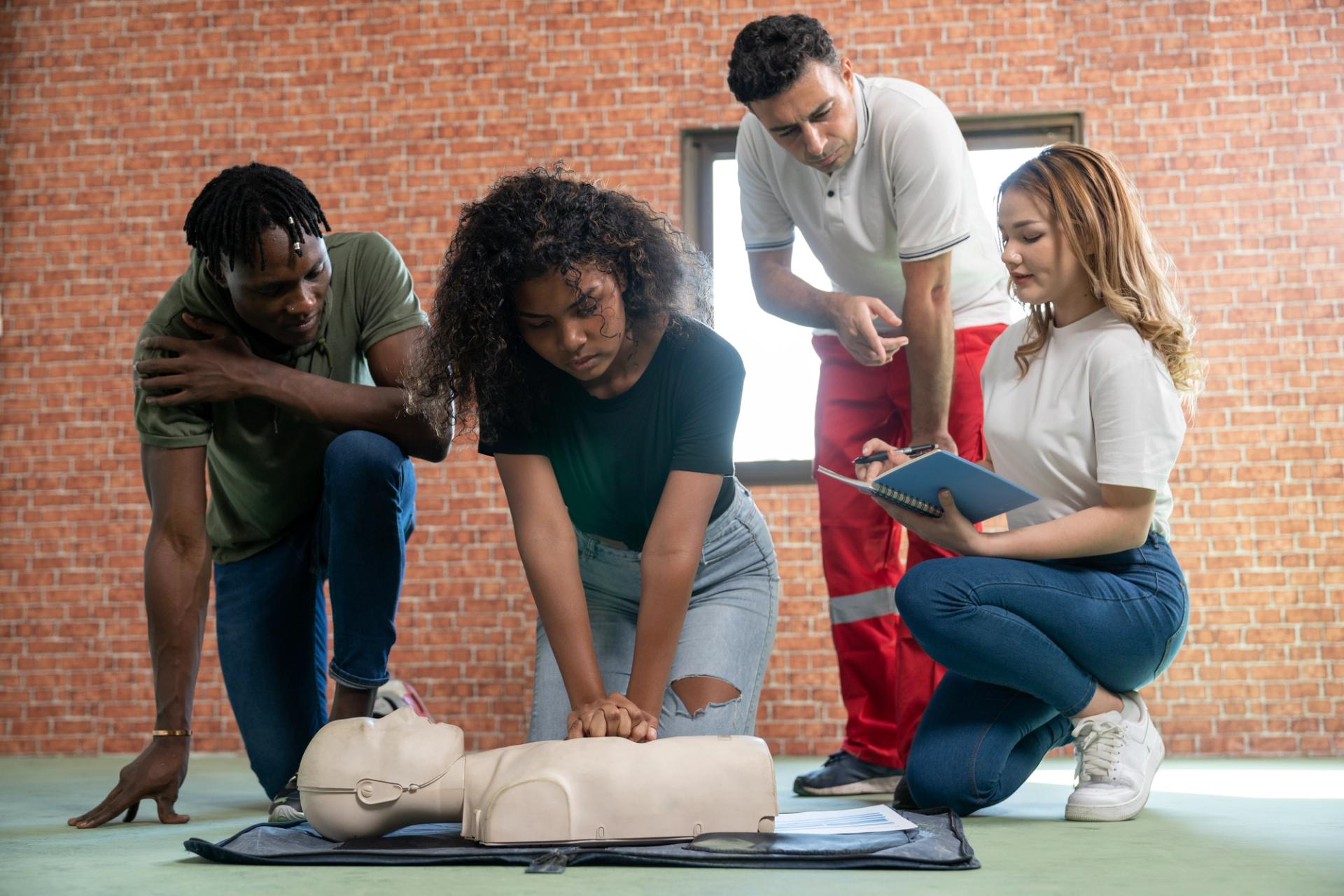
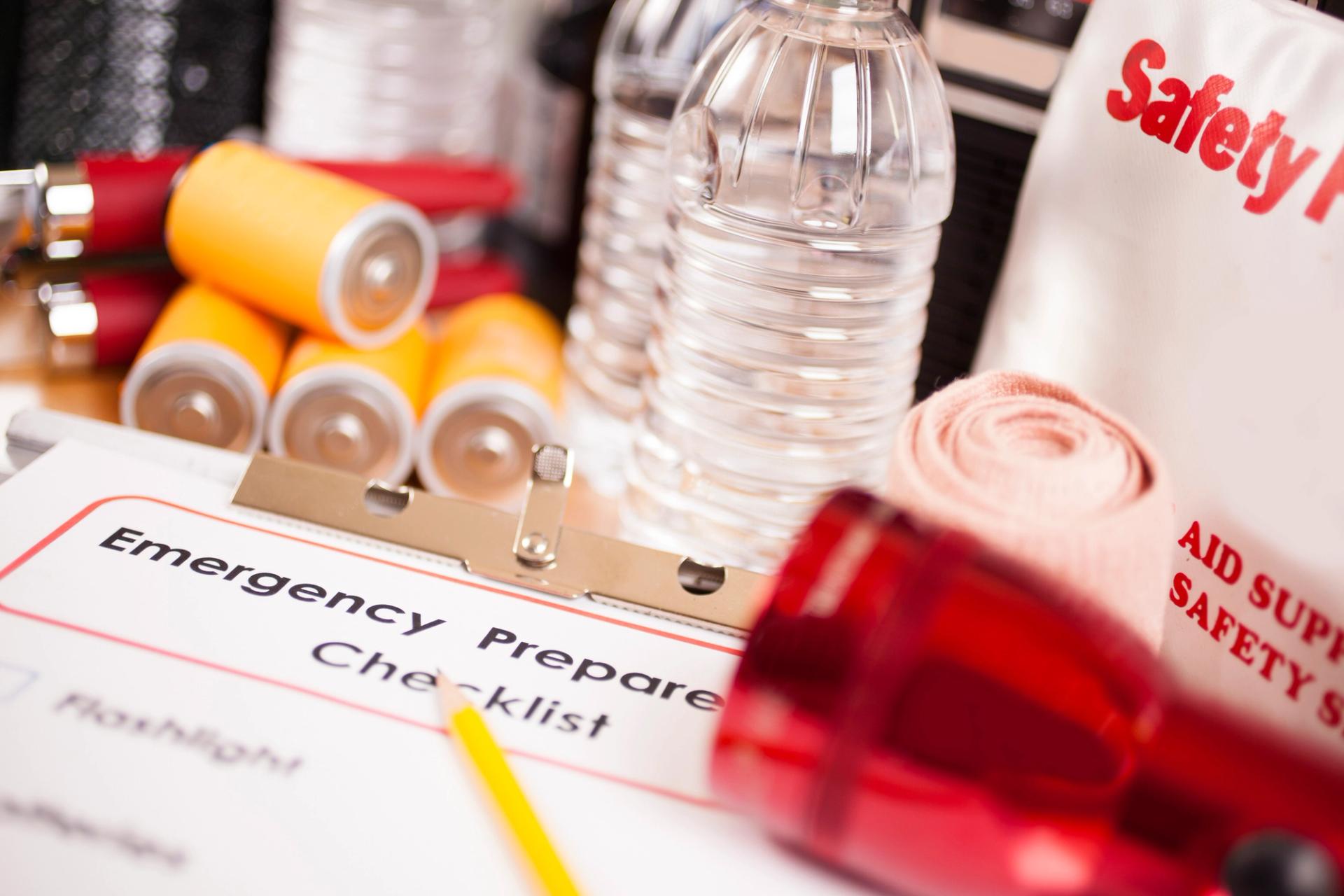
Most local home improvement and outdoor stores carry kits with basic necessities like bandages and ointments. The American Red Cross sells kits and manuals for specific situations like CPR, lifeguard, bodily trauma, and more — I always keep one of their emergency preparedness kits in my car. My Medic has great kits that you can customize or purchase pre-packed.
Check the Department of Homeland Security’s Ready website for how to build your own emergency supplies kit.
🥫 Food & Water
According to the National Safety Council, a home emergency supply kit should have three days worth of non-perishable food and one gallon of water per person, per day, for at least three days. Beyond the basics, Readywise specializes in emergency food supplies. They even have freeze-dried coffee!
➕ Bonus tip: Extended heat exposure can break down chemicals in plastic bottles, which then end up in your drinking water. Opt for canned water if you can — products like Blue Can Water and Open Water are available online and at stores like Walmart.
🔌 Power Outages
Bookmark the NV Power outage map for up-to-date information. Outages are unpredictable, but monitoring alerts can help make planning a little easier.
Refrigerator doors should remain closed as much as possible during a power outage to keep food as fresh as possible. If the power is out for an extended period, food and medication can be kept in coolers — be sure to keep some extra ice in your freezer and as big of a cooler as you can store. And if you have any doubts about the freshness of your food, just throw it out. It might sound wasteful, but dealing with a foodborne illness on top of a power outage can be quite dangerous.
🥵 Staying Safe in the Heat
If the electricity goes out during a heatwave, start by closing the blinds and doors to the hottest parts of your home and avoid taking cold showers — your skin will feel cool for a few minutes but it can actually raise your inner body temperature.
Generators can be useful, but they should be kept outside at least 20 feet away from doors and windows. It’s also a good idea to install carbon monoxide detectors for added safety. Check out FEMA’s tips for using a generator safely.
🐖 Financial Planning
Saving money can feel like an impossibility these days, but putting aside as little as $10 a week can make a difference. Get started with financial tips from FEMA. And keep in mind that Nevada has a Financial Assistance Program to help with housing and expenses.
These are difficult things to think about, but together we can help keep each other safe.