They were trailblazers. They wanted the freedom to be their own bosses.
Deborah R. Fox, Author and Historian
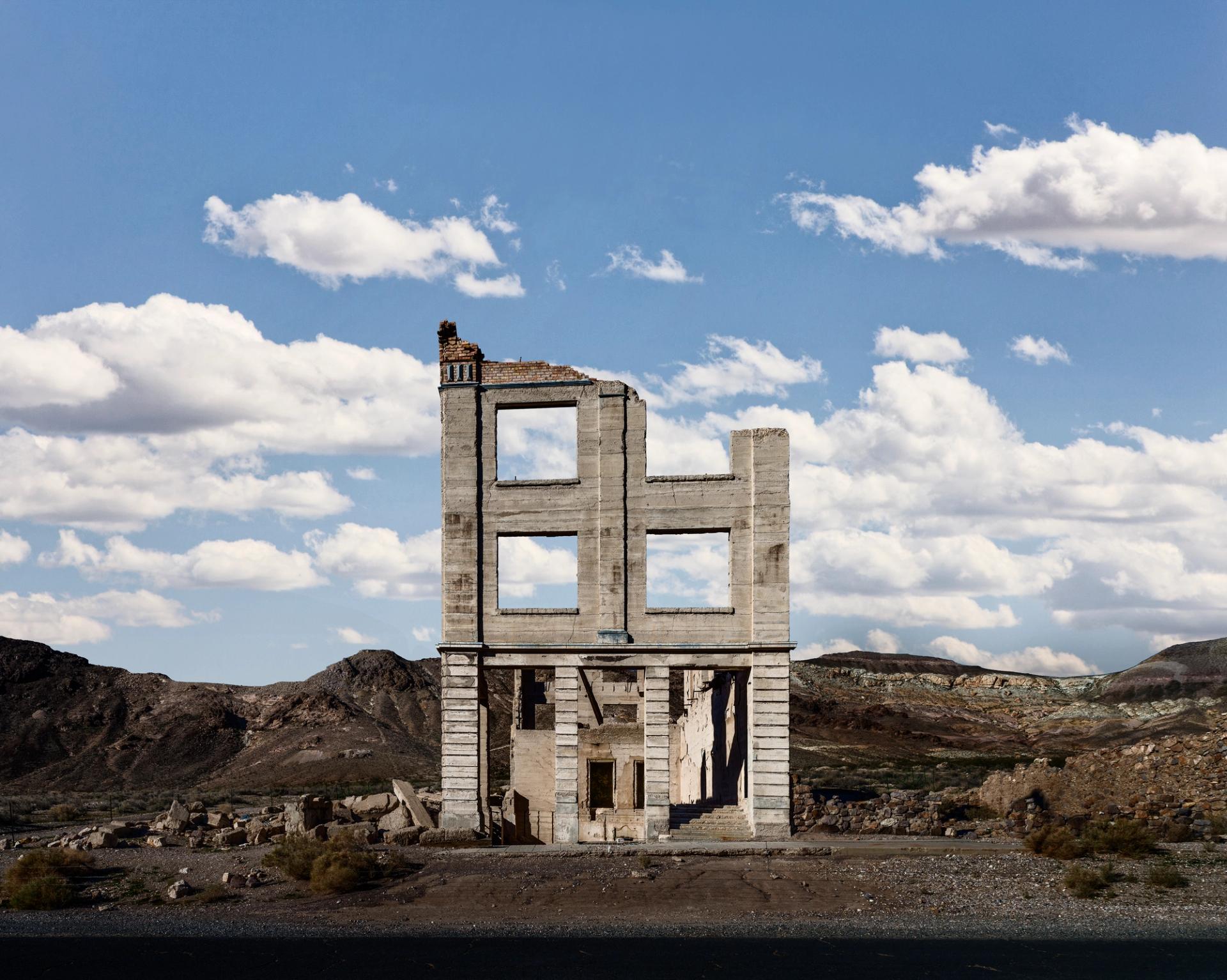
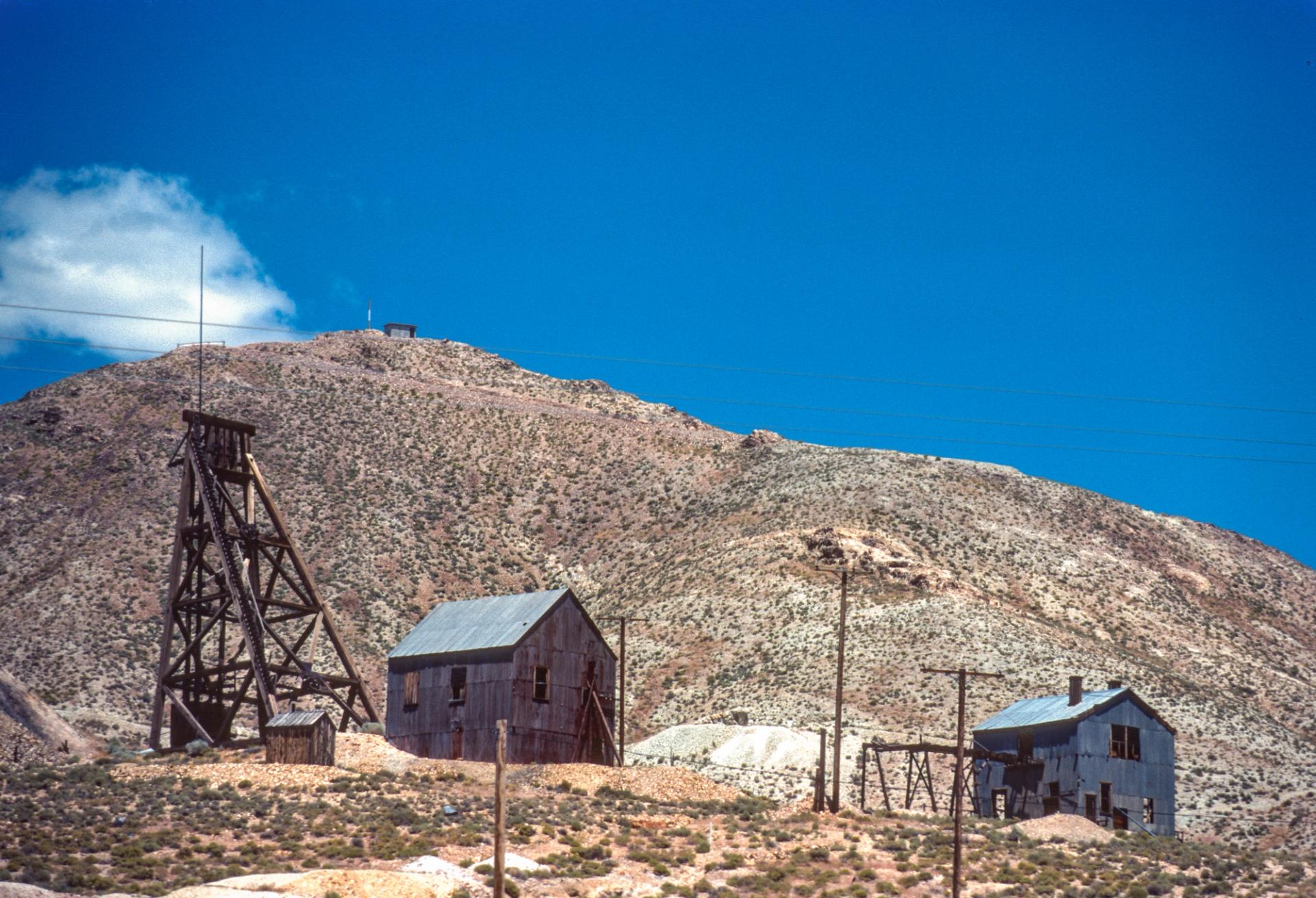
It’s no secret that Nevada was built on a lucrative mining legacy. We're the Silver State, after all. But most of us are less aware of the women who took an active role in prospecting throughout Nevada’s growth spurt in the late 1800s and early 1900s, proving it was possible to cash in while defying conventional expectations.
“These women would wear pants, and that was quite scandalous,” author and historian Deborah A. Fox points out. “They also defied society's norms when it came to marriage, family, and relationships with men. A lot of them lived with men out of wedlock.”
Lillian Malcolm never had children or married. She was betrothed at a young age, left her fiancé at the altar, and ran off to be an actress. When that didn’t work out, she joined the Klondike Gold Rush in Alaska before shifting her attention to the Nevada mining boom in towns like Tonopah, Goldfield, and Rhyolite. She leased claims with male partners and hung around with the likes of Death Valley Scotty, an infamous prospector and conman.
Ferminia Sarras, on the other hand, had seven children, although she handed her youngest daughters over to an orphanage after moving to the United States from Nicaragua. She then made a beeline to the Central Nevada gold rush. The Nevada town of Mina is actually named after her.
”She's one of the few female prospectors that did well financially,” Fox says. ”She sold a couple dozen of her mining claims and netted about $90,000, which is over $2 million in today's dollars. She didn't trust banks, so she kept her money in the chicken coop.”
Mary Grantz Clough Magnussen was a widow in Winnemucca who shared her late husband’s passion for prospecting. “She then took up with a younger man — I think he was decades younger than her,” Fox says. “In fact, a lot of female prospectors took younger male lovers or husbands. They would often choose men who would help them work their claims or protect their interests from claim jumpers.”
The women mined anything — uranium, copper, silver, and other precious metals. Louise Grantham, believed to be a lesbian in a time when homosexuality was rarely acknowledged, found success mining for talc in Death Valley.
Most women had to stay sharp, remain cautious, and be ready at all times — whether it was with litigation or a firearm. “They couldn't be shrinking violets,” Fox says.
Want to learn more? Deborah A. Fox is hosting On The Trail of Female Prospectors, a presentation and discussion at the Nevada State Museum on Thursday, Feb. 20 at 2:30 p.m. Just pay admission to the Springs Preserve for access.