
Drive around Downtown Las Vegas for a little while and you may come across a dusty relic of adobe-crafted history, built more than 170 years ago. The Old Las Vegas Mormon Fort State Historic Park is a quiet place, but one that ties together a wide variety of threads that helped shape Southern Nevada.
Where Is It?
The fort, on the corner of Las Vegas Blvd. and Washington Ave., is in the heart of the Las Vegas Cultural Corridor, which also includes the Las Vegas Science & Natural History Museum, Neon Museum, and Cashman Field.
Why Here?
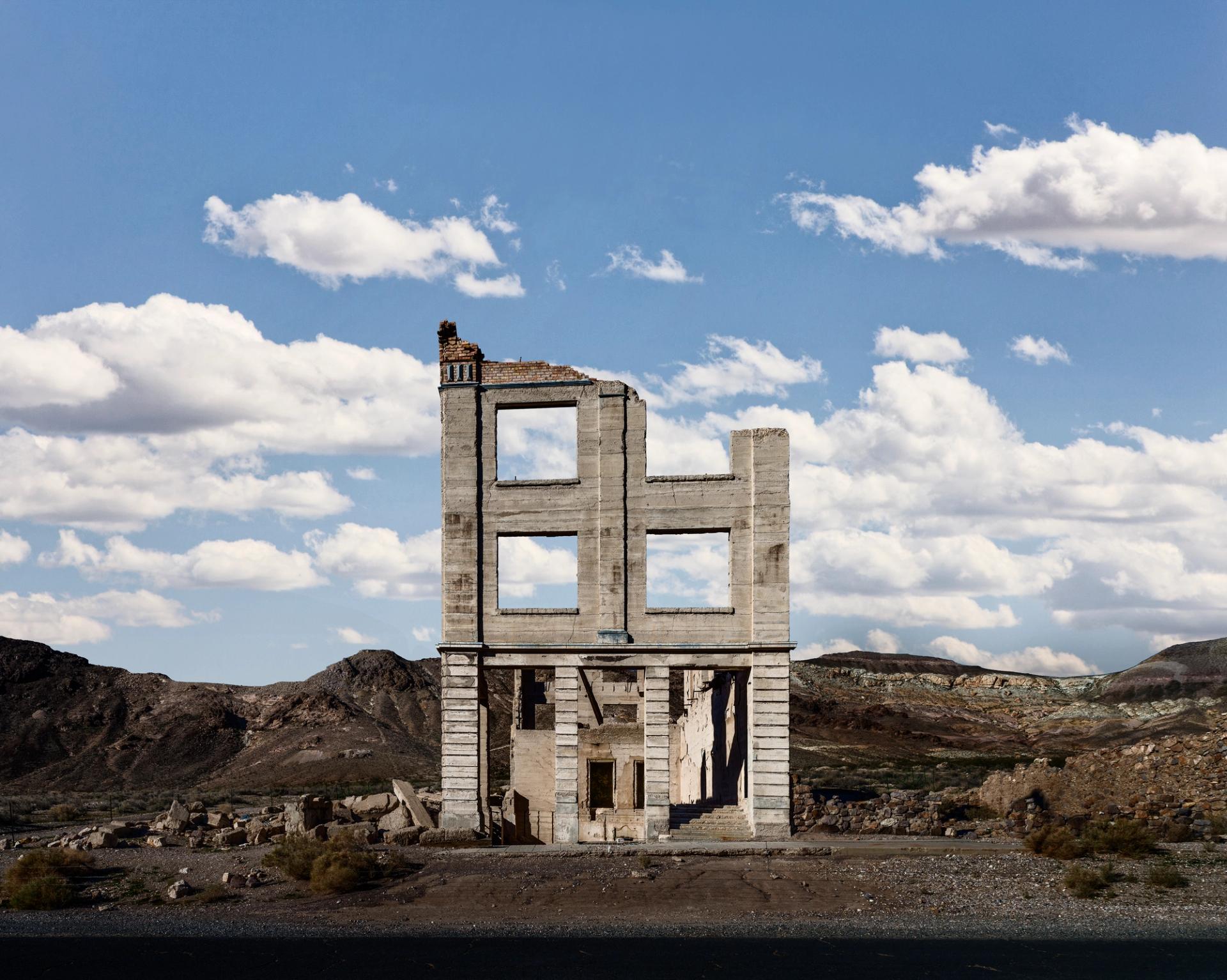
The fort wasn’t for the military. It was built in 1855 for Mormon missionaries traveling a segment of the Old Spanish Trail between Salt Lake City and San Bernardino. The location was chosen for its spring-fed creek — and a replica of it trickles through the site today. Construction took seven months. When complete, the fort spanned 150 square feet with 14-foot-high adobe walls, making it the largest building for at least 100 miles.
How Long Did It Last?
The fort was around just two years before resources were stretched and tensions escalated with native Paiute tribes, prompting the church to recall the settlers from their mission. California entrepreneur Octavius Decatur Gass repurposed the ruins as Las Vegas Rancho in 1865, supplying goods to workers and travelers. He also developed orchards and wine vineyards while employing Paiute workers. Pioche businessman Archibald Stewart took control of the ranch over a loan dispute — and was later killed at Kiel Ranch, which is a whole other story — before widow Helen Stewart took over the ranch for 20 years and established her own identity as the “first lady of Las Vegas.”
How was History Preserved?
Ownership of the fort passed through the San Pedro, Los Angeles & Salt Lake Railroad company, Bureau of Land Management, and City of Las Vegas before preservationist groups campaigned for it to become an official state park in 1991.
What’s Inside the Park?
The site includes part of the original adobe structure with some parts recreated in the style of the era. You can browse artifacts and equipment, walk past pioneer wagons, and hang out at the picnic tables. The admission fee is the best three bucks you’ll spend in Vegas. (Kids 12 and under are free.)
- City Cast Las Vegas has more on the Mormon influence on Las Vegas history. [City Cast Las Vegas 🎧]