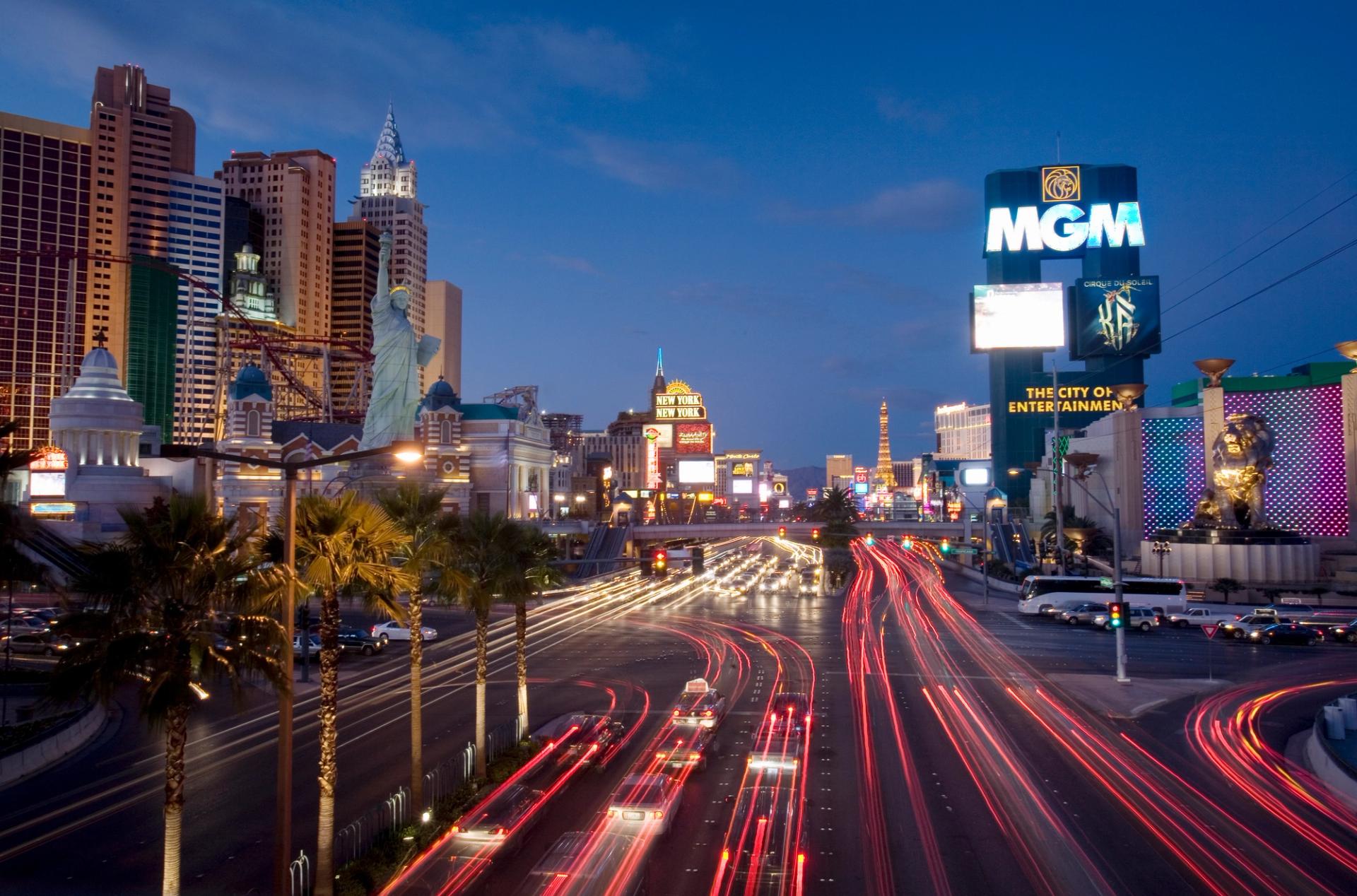
Step into any chintzy gift shop on Fremont Street or the Strip, and it’s there. Visit the Facebook page of a local small business, it’s there. Look at the invitation for the conference you’re going to in Vegas, it’s there.
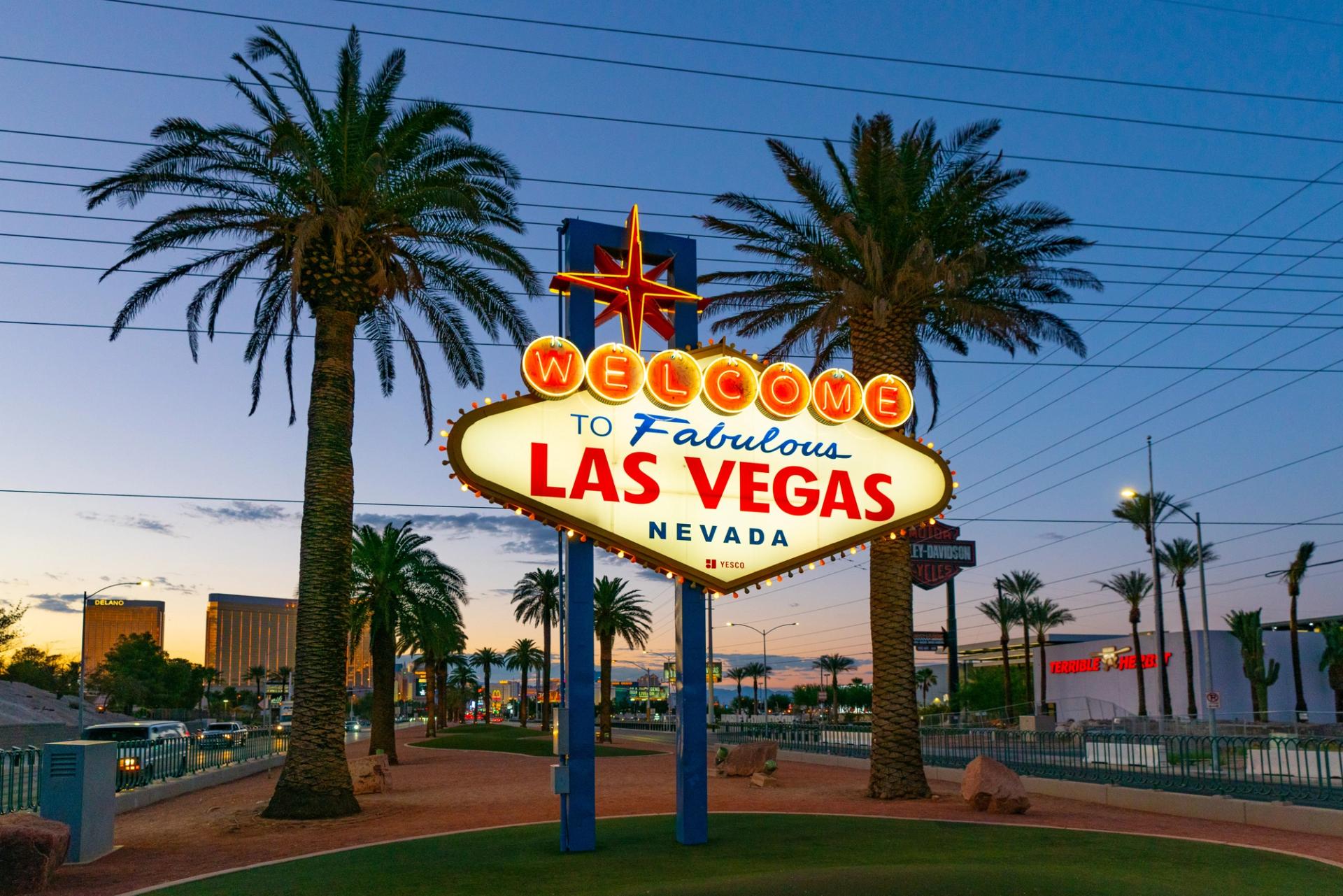
The “Welcome to Fabulous Las Vegas” sign is ubiquitous.
Much like the Hollywood sign or the Statue of Liberty, the Welcome sign has been copied, re-appropriated, and parodied many times … perhaps too many times. Just as it’s shorthand for the city, it can quickly signal a lack of creativity.
But in the 1950s, the Welcome sign was incredibly innovative. The diamond shape was unusual, as most signs were rectangular to make wiring the lamps easier. And even today those curves along the top would drive any manufacturer crazy.
That unique design came from the mind of Betty Willis, a commercial artist for famed YESCO and Western Neon, two companies behind many of the famous signs in Las Vegas.
While the physical sign itself is now owned by YESCO (and leased to Clark County), neither Willis nor Western Neon ever trademarked her design. As John Katsilometes wrote in Willis’s obituary, “[she] wanted it to belong to the masses, a decision that has led to widespread use.” That collective ownership is why the sign has become a source of hometown pride, with many adorning their desks with scale models and Vegas’ first major league team paying homage to the signature starburst.
UNLV professor and gaming historian David G. Schwartz recommended that if Clark County really wanted to pick a new namesake that everyone could approve of, the Las Vegas airport should be rechristened Betty Willis International. And after watching this charming video produced by the County around 2000, it’s hard not to instantly have a deep appreciation for the lifelong Nevadan.
Willis passed away in 2015, but I like to think she keeps an eye on things through one of her other famous designs, the Blue Angel: a guardian angel for a fabulous city.
Fun fact: If you look closely, the circles for “Welcome” are actually giant silver dollars, likely meant to entice gamblers. That was back when you could still use coins, of course.