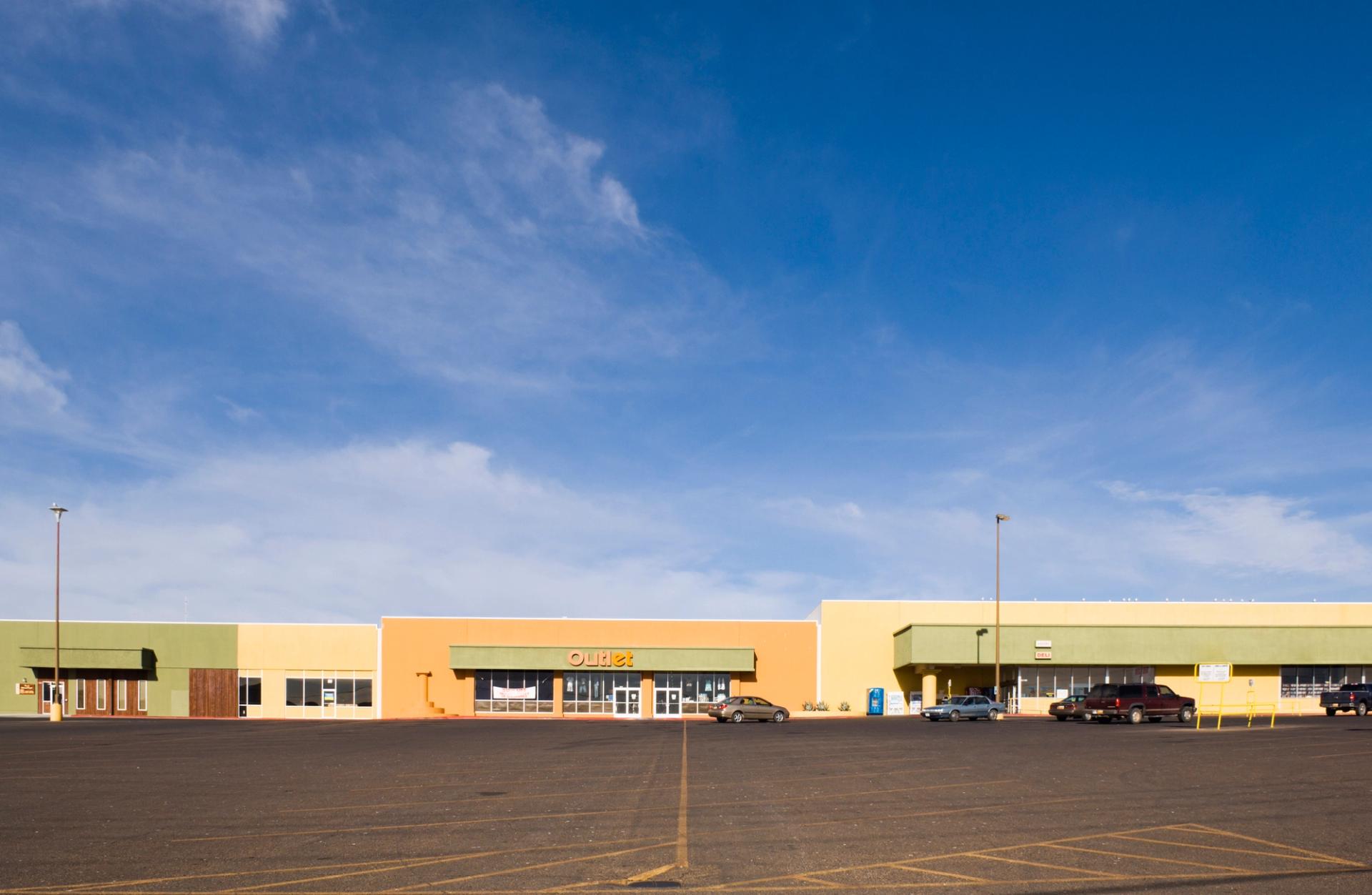
In most circles, “strip mall architecture” is an oxymoron — and for years, I also thought of these boxy low-rise buildings as our city’s worst feature. Why doesn’t Las Vegas have something like the adobe architecture of downtown Santa Fe, or the neon-lit shopping of Hong Kong, or the markets of Mexico City?
But something shifted for me in 2020, as I stood in a strip mall parking lot eating pizza off the trunk of a car. I leaned against the bumper and watched the flurry of receipts, the hand-drawn signage in the windows — small businesses getting a foothold and hanging on like hell. One scholar of historic preservation notes that the lower rents of strip malls make starting a business more accessible for people without a lot of capital, like new immigrants: “Increasingly, the strip mall is a place of last resort for some, and a first place of refuge for others.” At the strip mall, a fledgling business can hermit-crab its way in and make a new home. Some of Las Vegas’s most celebrated restaurants got their start in such places: Lotus of Siam, EDO, Raku, and Milpa, to name a few.
Aesthetically, there’s something satisfying about finding a gem of a restaurant inside the bland sameness of a gray stucco building — it’s the anticipation of a present wrapped in brown paper, or an unmarked envelope heavy with promises. Las Vegas writer Oona Robertson celebrates the strip malls of our city in a column called “The Other Strip,” writing: “Here, we celebrate third place in all its glistening banality.”
Do I hope we’ll get more of the vibrant, walkable commercial districts of other major cities? Of course. But in the meantime, the next time you drive past a strip mall, forego the eye roll and curtail the lip curl. Much like our city, there’s more beneath the surface.
➕ Keep the Appreciation Going! Experience …
- The chaos of Neonopolis!
- The upside (?!) of incessant roadwork!
- The joy of imaginary casino implosions!
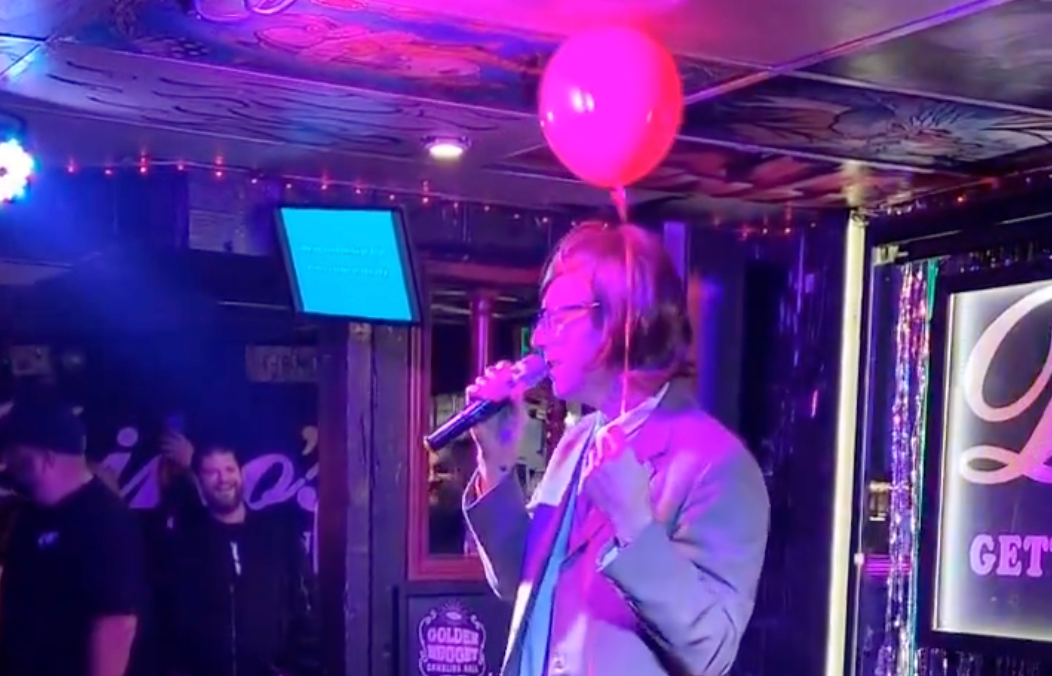
- The groovy kitsch of Vegas’ lounge lizard king!
[Hey Las Vegas 📧]