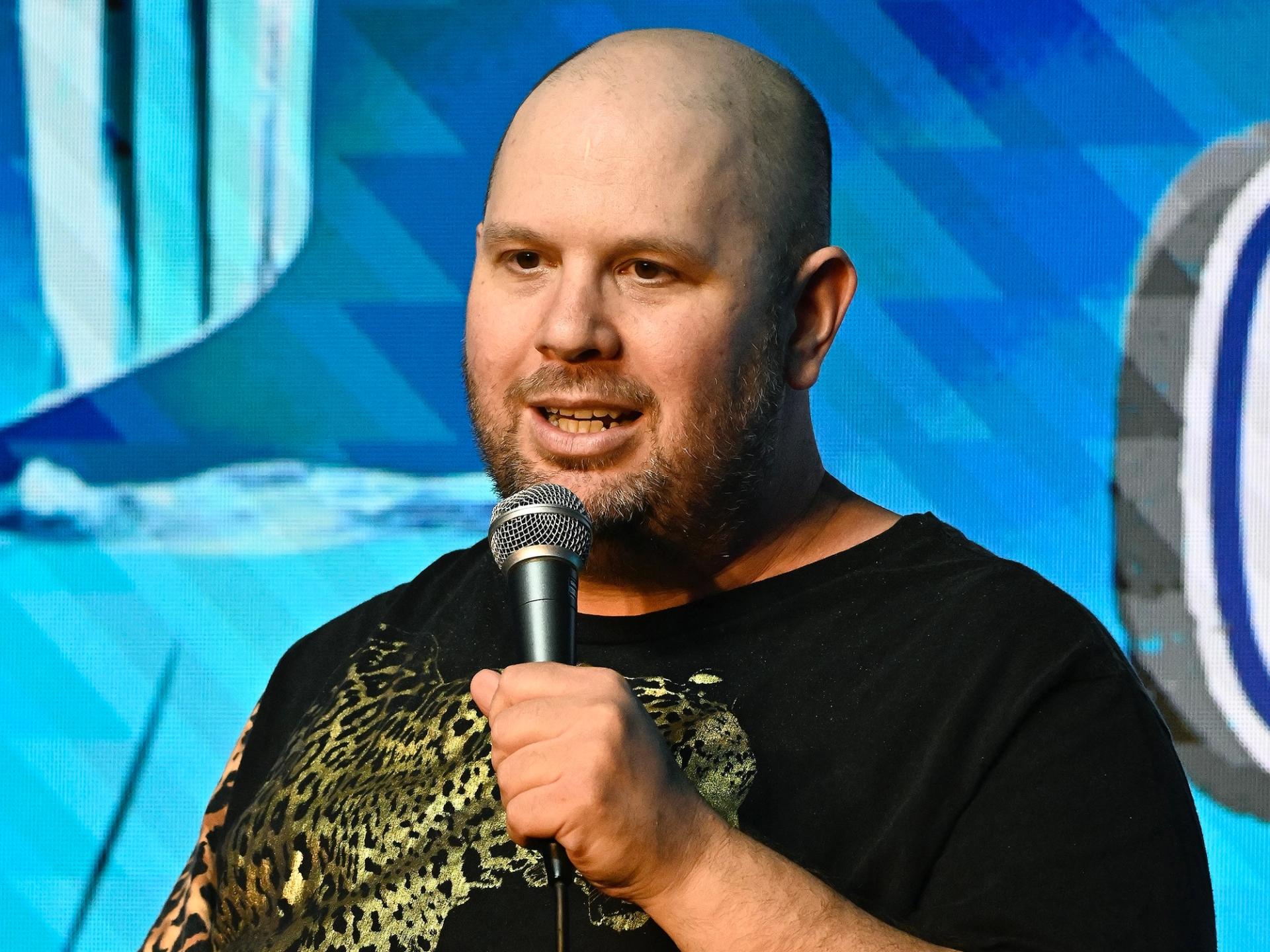
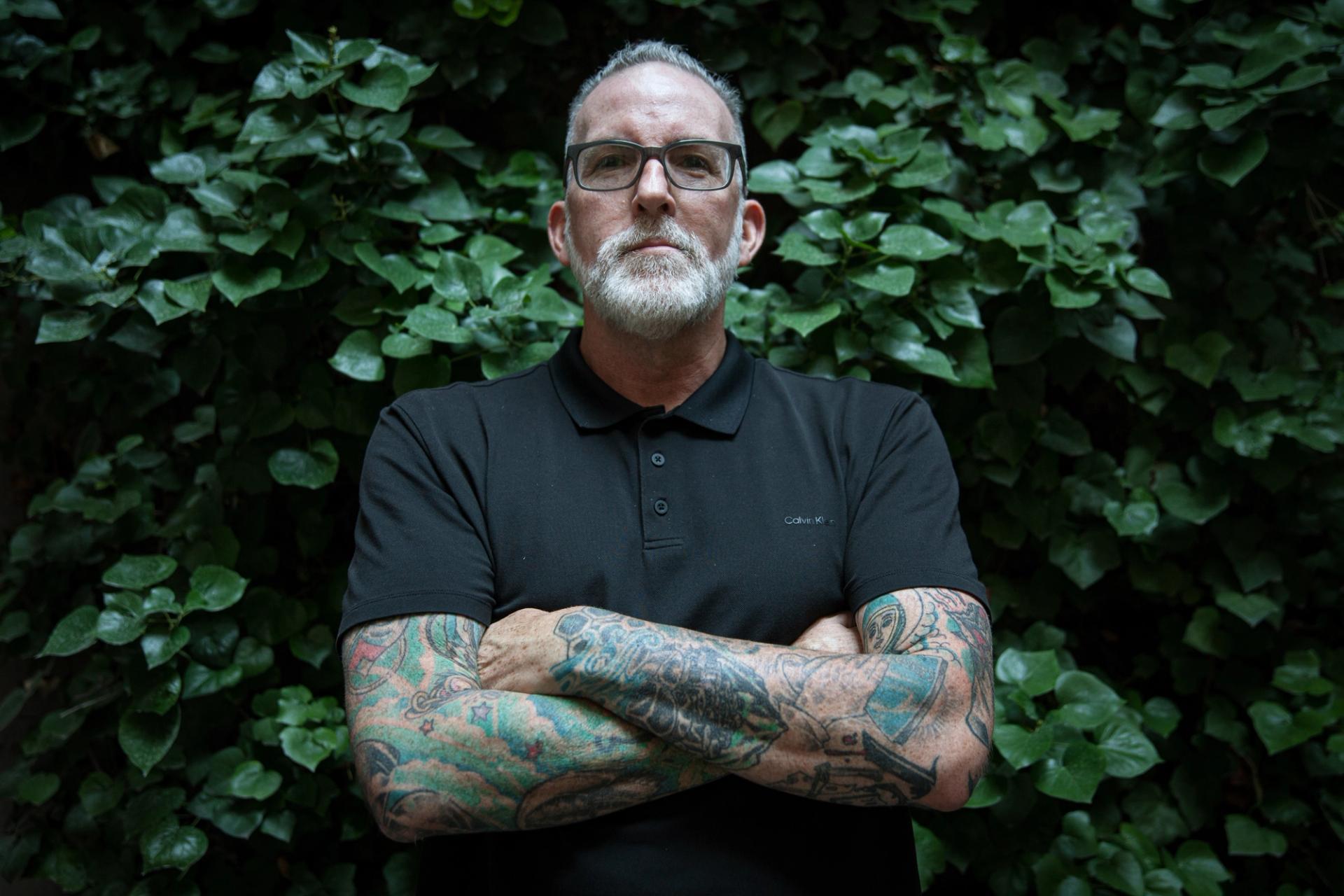
Jim Ruland isn’t afraid to speak his mind. He even called me out for my personal enjoyment of watching Californians stuck in traffic. Our email exchange led to the following interview about a topic Ruland knows well — punk rock. He’s written extensively about the genre for the Los Angeles Times and other publications (from magazines to zines) as well as a series of fiction and nonfiction books. The SoCal native is also a big fan of Las Vegas and shares some thoughts on the local legacy of punk rock in a gridlock-free discussion.
You have an upcoming novel with moments set inside the Punk Rock Museum. What are your thoughts on the attraction?
“Vegas is the perfect place for it. It’s a 'neutral site' because punk is so tribal — in terms of Bay Area vs. Southern California or West Coast vs. East Coast, that kind of thing. Las Vegas definitely has its own scene and history, but it's one that draws from multiple parts of the punk rock story.
“The Punk Rock Museum is very hands-on, very tactile. It’s evolving, so it changes every time you go. It’s just really cool to see the history preserved. So many times, when you go to write a punk rock story, you’re not going to get your information from newspapers and books, but from zines and first-hand accounts from people who were there. And that spirit very much infuses the museum and makes it more than just an attraction — something that represents the culture and it's worth preserving. I love Southern California punk rock and I wrote a book about SST records, so I love that little corner documenting early Black Flag and the scene in Hermosa Beach.”
Historically, did Vegas tie into that SoCal punk rock scene where it would be part of a touring circuit, so to speak? How often would punk bands come to Vegas?
“There were some famous early shows. Two of the bands on the West Coast, D.O.A. and Black Flag, are considered the trailblazers on the touring circuit in the West. But it wasn’t until the Circle Jerks came around that a punk band could tour and actually make money. I definitely think Las Vegas is a part of that.
“There’s an infamous story about a club (the Huntridge Theater) that had a roof collapse shortly before the Circle Jerks were supposed to play, and the band had to play in the parking lot. I remember Keith Morris of the Circle Jerks telling me that story.”
Do you actually bowl when in Vegas for the Punk Rock Bowling festival?
“I write for a punk rock magazine called Razorcake and early in the festival's history, we were a participant in the bowling. The bowling used to be the main draw and the gigs were kind of a naturally occurring thing around it. So, finally they're like, ‘You know, maybe we should expand this a little bit?’
“Punk Rock Bowling used to move around. As it got bigger, it needed bigger bowling alleys. One year, it was at Sam’s Town casino. That was the year all the punks at the festival discovered the glorious Mystic Falls with the animatronics and the laser light show, and ‘Proud To Be an American’ singalong. This was during the Bush years. But you could find all the punks singing along, unironically, to the song as they took over the bar.
“I still like going there. I just love casinos. When I wrote my novel Forest of Fortune, which is set in a fictional casino, Mystic Falls was a huge influence.”