Nevada is one of the largest states in the country — in terms of area at least — but only has one national park. Or two, depending on how you count. On the other hand, it’s got four national monuments. So what’s the difference?
⛰️ How Many National Parks in Nevada?
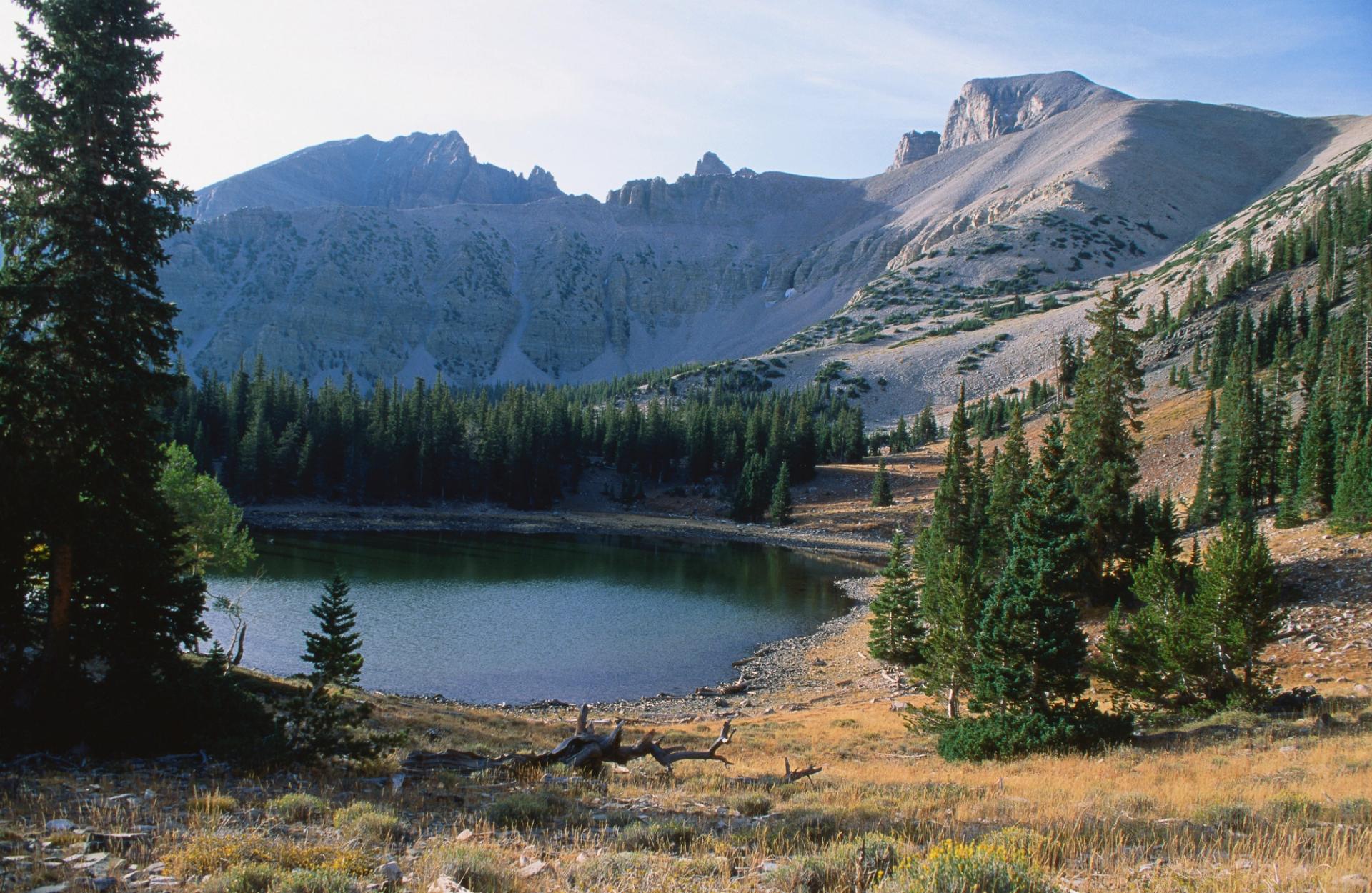
Take a ride about four hours north of Las Vegas and you’ll reach Great Basin National Park, just southeast of Ely. It spans more than 77,000 acres of federally protected land, stretching from the underground Lehman Caves to Wheeler Peak, the second-tallest mountain in Nevada.
National Parks are generally vast in scope, contain historically significant natural ecosystems, and can only receive the designation by an act of Congress. Great Basin was named a national park in 1986 and is known for its bristlecone pines, which are among the oldest trees in the world.
Zion, and the Grand Canyon are all national parks in closer proximity to Las Vegas, but outside Nevada’s borders.
Death Valley National Park is mostly in California, although 110,000 acres cross over into Nye and Esmeralda counties in Nevada.
"Though this represents only about 3% of the park’s total area, it's still quite significant, and larger than Great Basin National Park," according to Arnold Knightly, Nye County's public communications manager. "This portion of the park offers incredible landscapes and opportunities for exploration, contributing to the unique natural beauty of our state. Approximately 45,000 acres are designated wildlife."
🏜️ National Monuments in Nevada
By comparison, National Monuments are smaller and usually more focused on a specific historical or scientific interest on government-owned land. Nevada has four — all in the southern half of the state.
- Tule Springs Fossil Beds: An area northwest of Las Vegas that was once roamed by mammoths and contains prehistoric fossils dating back to the Ice Age.
- Avi Kwa Ame: Nevada’s newest national monument, Avi Kwa Ame is also known as Spirit Mountain and considered sacred by Indigenous tribes. It’s just northwest of Laughlin.
- Gold Butte: Despite its remote location, Gold Butte is easily the most accessible and scenic national monument in Nevada with a Back Country Byway that passes by colorful sandstone rock formations and an abandoned mining town — although you’ll need off-road capabilities for much of the journey.
- Basin and Range: Nevada’s first national monument is north of Las Vegas (beyond AREA 51 for perspective) where the Mojave Desert transitions into the Great Basin region. It’s remarkably undisturbed with dramatic shifts in terrain, ancient petroglyphs, and the site of a significant meteor impact more than 370 million years ago. It's also home to the "CITY" outdoor art installation.
🤔 But What About …
Lake Mead and Red Rock Canyon are neither national parks or monuments. Lake Mead is the first of 40 national recreation areas, designed to promote outdoor activities in federally protected lands, often near bodies of water. Red Rock Canyon is a national conservation area under the Bureau of Land Management.